 01
Eat iron-rich foods
Red meat, chicken, fish, lentils, beans and dark leafy greens are good sources of iron.
Iron deficiency is one of the most common causes of tiredness. Dr. Sheena Cherry finds out why your iron is low, treats it and checks that your levels recover.
She discussed this topic on the Emirates Hospitals podcast, Ep. 18: Iron-Deficient? Here's Why.

Diet, blood loss, absorption problems and medicines are all considered.
Blood tests show how low your iron is and whether anaemia is present.
Iron replacement is chosen to suit you, with advice on taking it well.
Repeat blood tests confirm that your levels have recovered.

Low iron is common, and there is usually a clear reason for it, such as heavy periods, diet, pregnancy or blood loss from the gut. Dr. Sheena looks for the cause as well as treating the low levels.
A closer look at the condition, how it is diagnosed and how it is treated.

Iron helps your blood carry oxygen. When stores run low, you may feel tired, breathless, dizzy or cold, even before your haemoglobin drops into the anaemia range.

Iron deficiency always has a reason. Dr. Sheena looks for it, because the right treatment depends on why your iron is low.

Most people improve with iron tablets and changes to their diet. If tablets are not tolerated or not working, other options are discussed.
Food alone may not correct low iron, but these habits help your body make the most of it.
01Red meat, chicken, fish, lentils, beans and dark leafy greens are good sources of iron.
 02
Vitamin C from oranges, tomatoes or peppers helps your body absorb iron from plant foods.
 03
Tea and coffee can reduce iron absorption. Have them between meals rather than with them.
General information only. Dr. Sheena will tailor advice to your health and any medicines you take.

Specialist in Internal Medicine · Emirates Hospital Jumeirah, Dubai
Dr. Sheena discussed iron deficiency on the Emirates Hospitals podcast, and helps patients find the cause behind low iron, not just treat the result.
She previously worked as a Specialist in Internal Medicine at Sheikh Khalifa Medical City in Abu Dhabi, and holds a Fellowship in Critical Care Medicine from Apollo Hospital, Chennai.
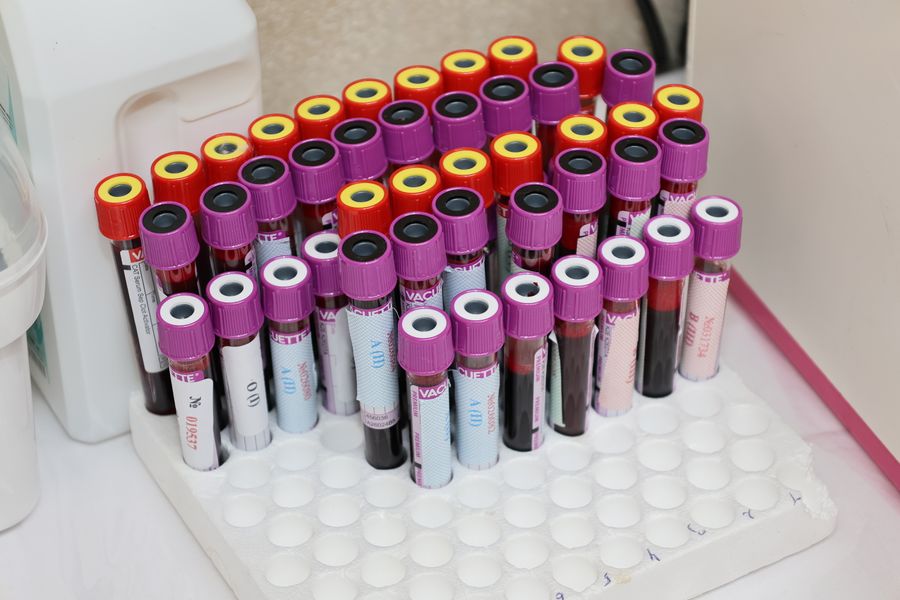 Lab tests
Only the tests that are useful for you are recommended.
What to expect when you see Dr. Sheena for iron deficiency, step by step.
Call 800 444 444, book online with Emirates Hospitals or use the Okadoc app.
Bring recent blood tests such as haemoglobin and ferritin, and a list of your supplements and medicines.
Dr. Sheena takes a full history, examines you and explains what she thinks is going on.
Only useful tests are ordered. Results and next steps are explained in plain language.
Blood tests are usually repeated after two to three months of treatment to confirm your iron stores are recovering.
Verified patient reviews from Doctify, shown word for word. They describe Dr. Sheena's care in general, not treatment for a particular condition.
Amazing Doctor, understanding caring and very articulate with her explanations Truly a wonderful Doctor all round
Friendly doctor with well experienced, spending time with the patient and explained everything clear and frequent followups.
A very professional yet warm approach, empathic and focus oriented toward patients comfort and well-being.
Haemoglobin often starts to rise within a few weeks of treatment, but rebuilding iron stores usually takes around three months. Repeat blood tests confirm recovery.
It is best to test first. Low iron has a cause that should be found, and taking iron you do not need can cause side effects.
A balanced diet helps keep iron levels healthy, but once you are deficient, supplements are often needed as well. Dr. Sheena will advise on both.
Iron can be low despite a good diet because of heavy periods, blood loss from the gut, pregnancy, or conditions that reduce absorption, such as coeliac disease. Finding the reason is part of your assessment.
It is best to avoid tea and coffee for about an hour either side of iron tablets, because they reduce absorption. Taking iron with water or orange juice helps.
Yes. Low ferritin with normal haemoglobin is called iron deficiency without anaemia. It can still cause tiredness, hair loss and poor concentration, and is worth treating.
Call 800 444 444, book online through Emirates Hospitals, or use the Okadoc app. Appointments are at Emirates Hospital Jumeirah, Jumeirah Beach Road, Dubai.
Cover depends on your insurance plan. Call 800 444 444 to check before your visit, and bring your insurance card and Emirates ID or passport.
Appointments at Emirates Hospital Jumeirah, Jumeirah Beach Road, Dubai.
Iron deficiency is one of the most common causes of tiredness in Dubai. Dr. Sheena Cherry diagnoses low ferritin and iron deficiency anaemia, looks for the underlying cause and plans treatment with iron tablets, diet changes or other options.
She discussed iron deficiency on the Emirates Hospitals podcast, and her guide to iron deficiency symptoms and tests explains what ferritin and haemoglobin results mean.
For heavy periods, digestive causes or low iron that keeps coming back, book a consultation at Emirates Hospital Jumeirah or call 800 444 444.
Symptoms of low iron include tiredness, weakness, breathlessness, pale skin, dizziness, headaches, hair loss, brittle nails, restless legs and craving ice. Women with heavy periods, pregnant women, vegetarians and frequent blood donors are at higher risk.
Tests include haemoglobin, ferritin, iron studies, B12, folate and, when needed, coeliac and stool tests. Treatment may include oral iron, diet changes, treating the cause and, if tablets do not work, other options.
Related care: gut causes of low iron, thyroid problems, fatigue after COVID and health checks.